Don’t Mistake Infrastructure For Innovation
Don’t Mistake Infrastructure for Innovation
The collapse of 3RT is another use case we should learn from.
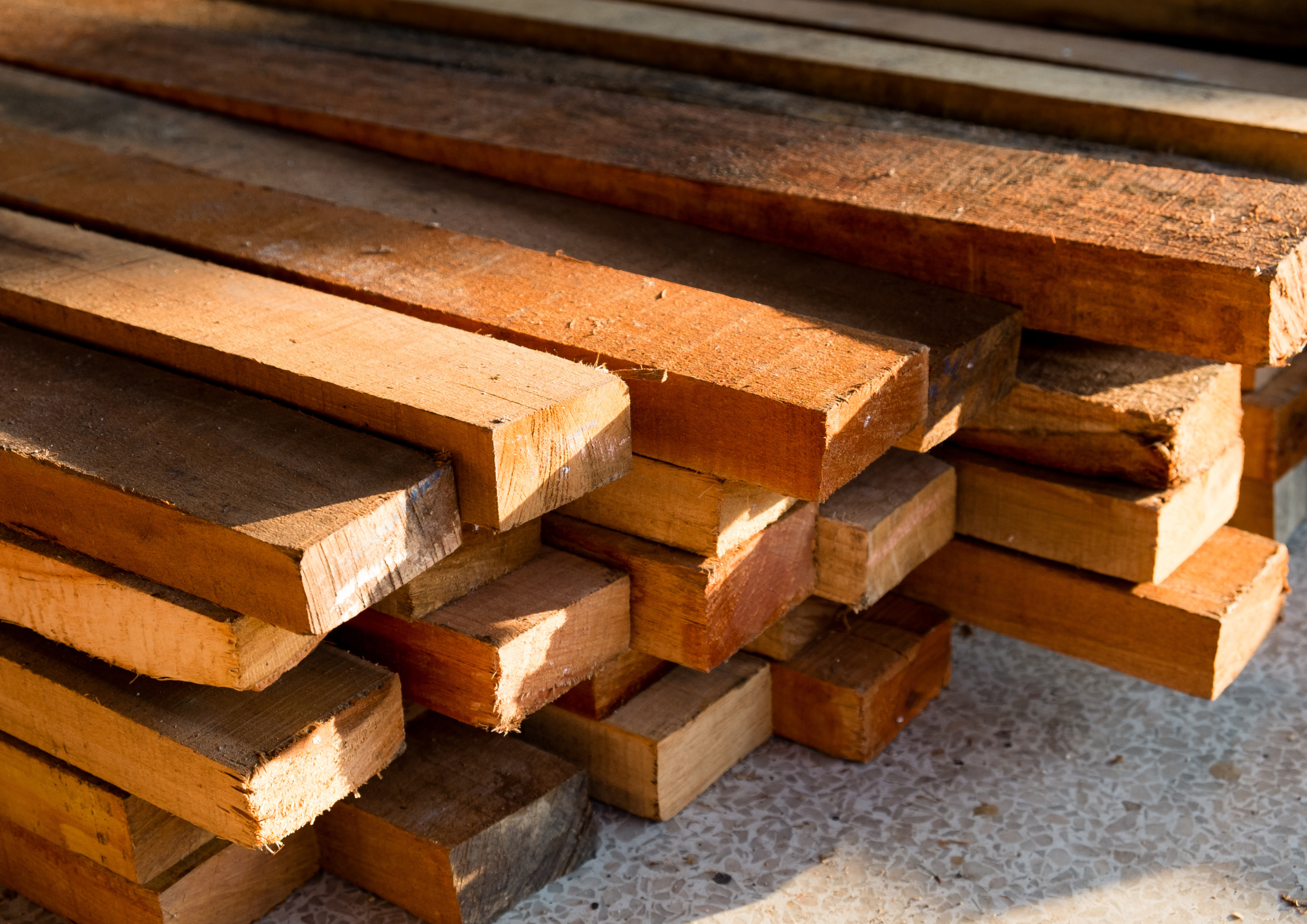
There is a lot to like about what 3RT was trying to do. Turning low-value plantation timber into a high-value hardwood product is exactly the sort of Australian innovation we should be exploring. Taking an abundant resource, applying technology and creating something more valuable from it makes sense.
But there’s an important distinction between developing innovative technology and building a sustainable commercial business around it.
When the objective is a commercial outcome, eventually we have to come back to some fairly basic questions:
Who is the customer?
Is there proven demand?
Will they pay?
Should we be scaling before we know the answers?
The reported numbers surrounding 3RT’s collapse are sobering: $18.6 million owed, $11.6 million advanced to Europe, 50 unsecured creditors, and eight Australian manufacturing workers owed almost $500,000. Peak annual sales were reportedly just $1.29 million.
There are obviously complexities behind those numbers, and the collapse of any business is never as simple as a few figures on a page.
But there is a bigger question worth asking.
Are we investing in innovation, or are we investing in infrastructure?
Australia is very good at building things. Facilities. Equipment. Research infrastructure. Technology platforms. And those things can be important.
But infrastructure doesn’t automatically create a market.
A sophisticated manufacturing facility doesn’t create customers. A new technology doesn’t guarantee demand. And scaling production doesn’t solve a product-market fit problem.
Sometimes we seem to approach innovation backwards: build the capability first, then look for the commercial opportunity.
I think there is another way.
What if more of our investment went into Australian SMEs that already have customers, revenue and evidence that someone wants what they are selling?
What if we helped those businesses access the technology, skills, capital and manufacturing capability they need to take the next step?
What if we surrounded them with people who can open doors, create pathways into new markets and help them turn a good product into a scalable one?
Help them automate. Productise. Manufacture. Export.
That doesn’t mean we stop investing in research or invention. We absolutely need both.
It means we think more carefully about where our investment can have the greatest leverage.
Because there are thousands of Australian businesses that have already done one of the hardest parts of innovation:
They found someone willing to pay. The next challenge is helping them scale.
Maybe we don’t need another building or another piece of infrastructure. Maybe we need an MVP program for scale.
Back what is working. Remove the barriers. Build the capability around it. And help Australian businesses go further, faster.