Protect Australia's
Product Innovators
Are we overlooking the real value of Australian innovation?
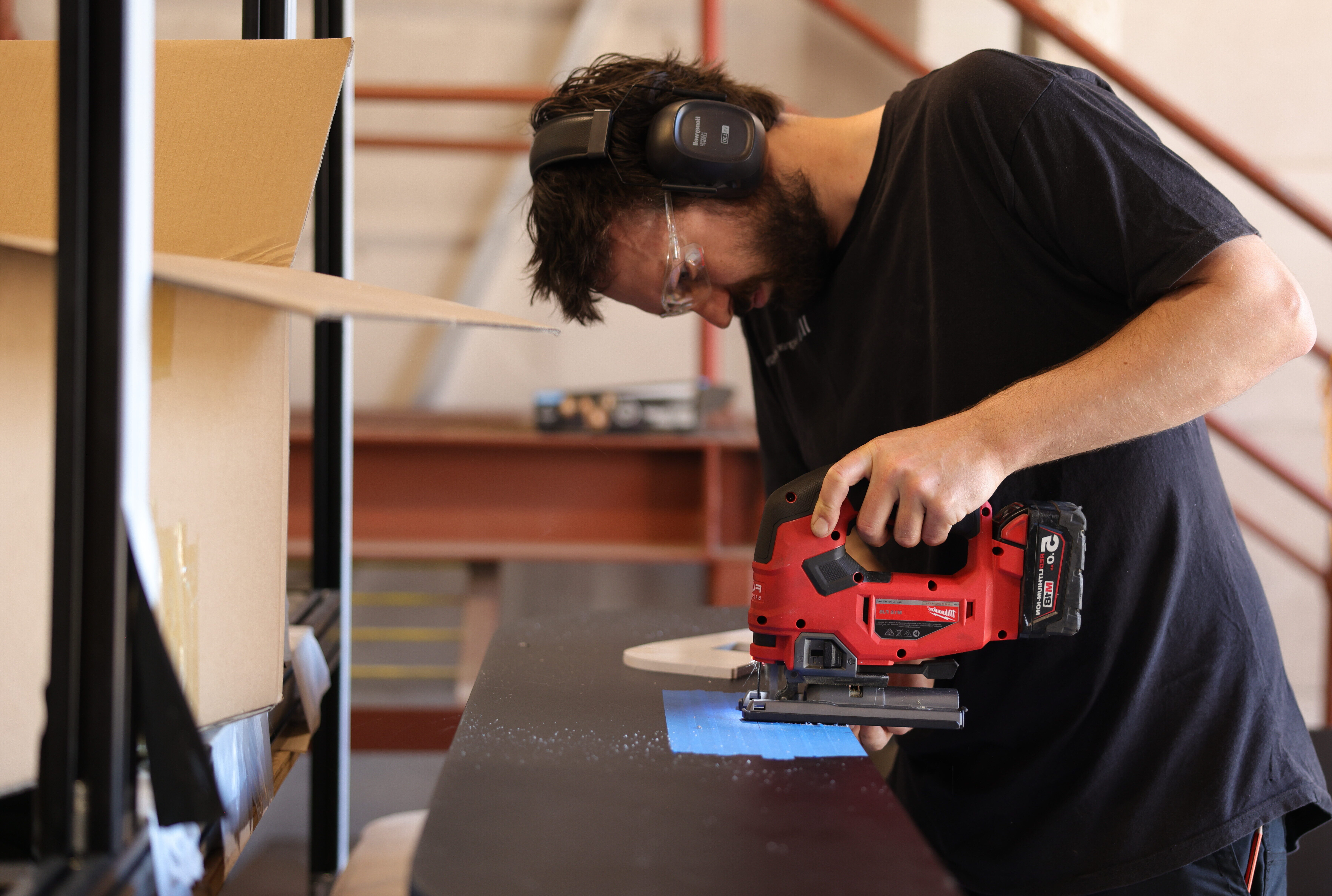
Some of Australia’s best innovation happens quietly in sheds, workshops, factories and small businesses.
It’s people solving real customer problems, developing physical products and finding better ways to make things. Many aren’t chasing investors or grants. They’re using their own money, working with customers and trying to turn good ideas into products people will pay for.
That’s how small businesses grow and Australian companies become globally competitive. So why make the practical work of developing and testing those products more expensive?
I’ve spent 33 years in manufacturing and product development, including more than 20 helping Australian businesses at Design Anthology turn ideas into physical products. I’ve seen how much of that journey happens before the first sale.
The proposed R&D Tax Incentive reforms would lift the offset for core R&D but remove eligibility for supporting R&D from 1 July 2028. Simplifying the scheme and encouraging genuine R&D is a welcome goal. But for businesses developing physical products, the higher core rate is unlikely to make up for what’s lost.
Hardware is expensive to get wrong
One lesson has held true across all those years: finding a problem early is far cheaper than fixing it after production starts. Unlike software, hardware can’t be fixed with an update. A late problem can mean redesigns, scrapped stock, new tooling or a recall. For a small business, that can be fatal.
Before an experiment can run, a business often needs:
- technical research into existing technologies and patents
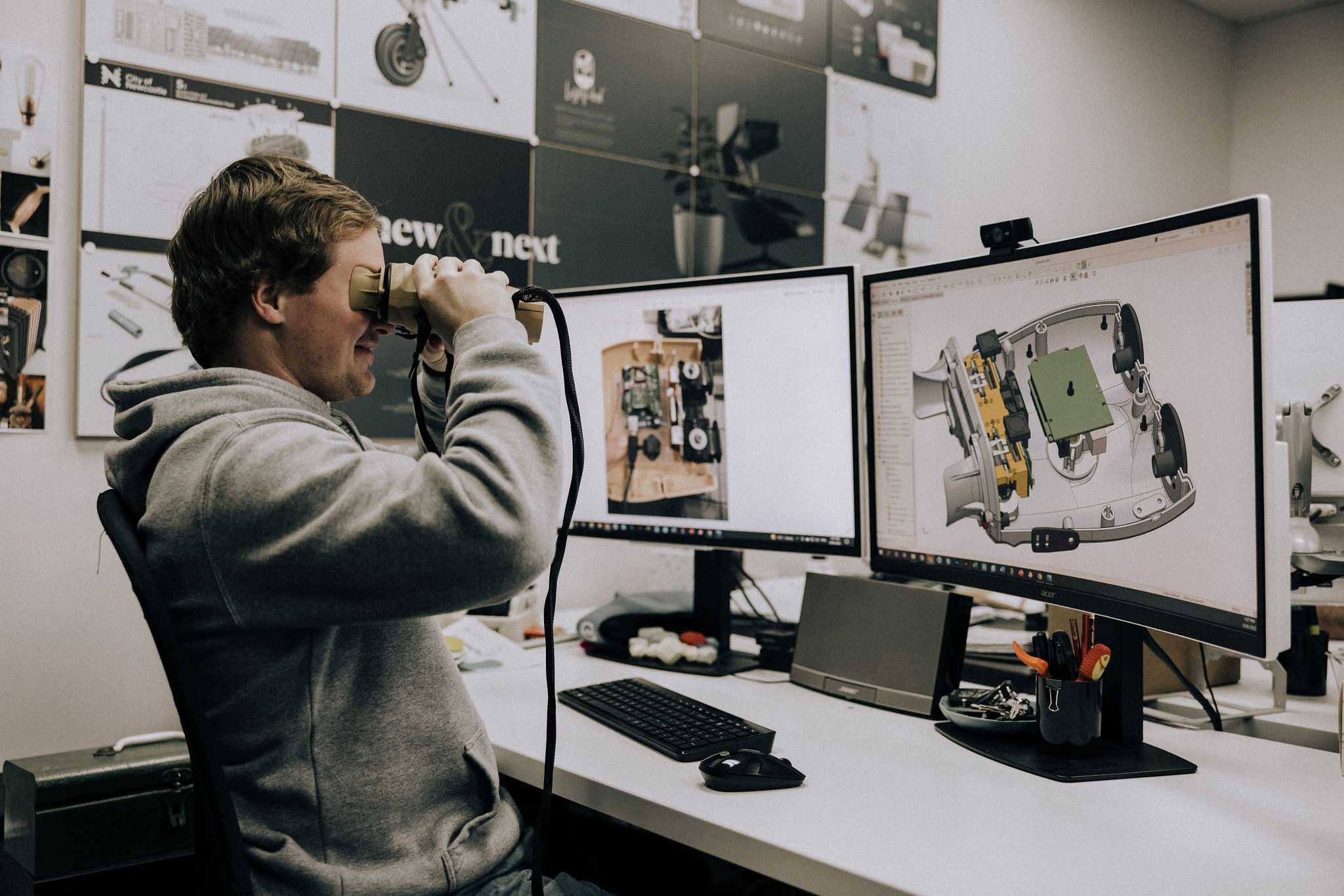
- prototypes built with established methods
- test rigs and fixtures
- preparation of materials and equipment
- integration of existing components
- calibration and supporting testing
Some of this may qualify as core R&D in its own right. Some currently qualifies as supporting R&D. Under the reforms, that second group would lose eligibility unless it independently met the core definition.
Removing eligibility doesn’t remove the need for the work. It just makes it more expensive, for businesses investing their own money before they earn a dollar of revenue.
Known technology, unknown outcome
Innovation often means combining proven components in a new way. The parts may be well understood, but whether they’ll work together reliably in a new application can still be genuinely uncertain. That’s what experimentation establishes.
Take a business putting AI technology into a rugged, modular product. The AI exists and so do most of the components. The hard part is managing heat, protecting the electronics and making it manufacturable. That takes research, prototyping and testing, and we should encourage businesses to build on existing knowledge rather than start from scratch.
Speed to market matters
A customer might need a solution now, or a small Australian company might spot an international market before its competitors. But opportunities don’t stay open. If early development gets more expensive, businesses may delay, scale back or abandon promising products while competitors reach customers first. The cost of missing that window can be far bigger than the R&D spend itself.
Finding out early that something doesn’t work is also valuable. It lets a business stop, save money and redirect investment. We should make that easier, not dearer.
The real value is what happens next
The consequences could go well beyond the R&D claim. We’re potentially talking about missed opportunities for new products, revenue, skilled jobs and exports of high-value Australian goods and services.
When a product succeeds, the benefits flow on to jobs, manufacturing investment, further product development, supply chains, IP and exports. One success can fund the next. That’s how a small business becomes a medium one, and maybe Australia’s next globally competitive manufacturer.
Not every project succeeds, and not every outcome can be credited to the incentive. But the scheme should be judged on the investment and commercial outcomes it helps generate, not just the spend it supports.
What I’d ask government to consider
- Keep supporting activities that are directly tied to a qualifying experiment (research, prototypes, test rigs, integration, calibration), or provide a simpler alternative that does the same job.
- Allow a longer transition, or review the impact on physical product developers before the changes start.
- Keep the scheme workable for SMEs. The proposed $50,000 minimum spend and the limits on refundable offsets for established businesses deserve a close look, along with the admin and compliance costs.
- Judge the scheme on commercial outcomes: revenue, productivity, manufacturing capability, skilled jobs and exports.
The aim isn’t to fund ordinary commercial activity or unnecessary development. It’s to back genuine experimentation, so businesses can make sound technical decisions before they commit big capital.
The next globally competitive Australian business could already be operating out of a shed somewhere. Let’s make sure we’re not putting unnecessary barriers in its way.
Policy note: These reforms remain proposed, with intended commencement for income years starting on or after 1 July 2028. Supporting R&D eligibility is subject to statutory requirements, and ordinary market research is not automatically eligible.